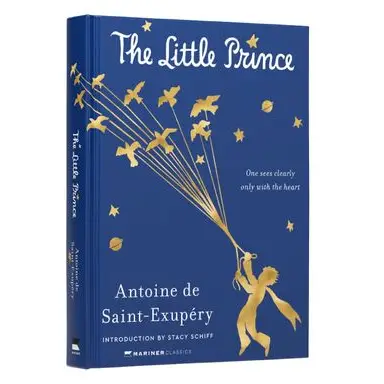
“It is only with the heart that one can see rightly. What is essential is invisible to the eye.”
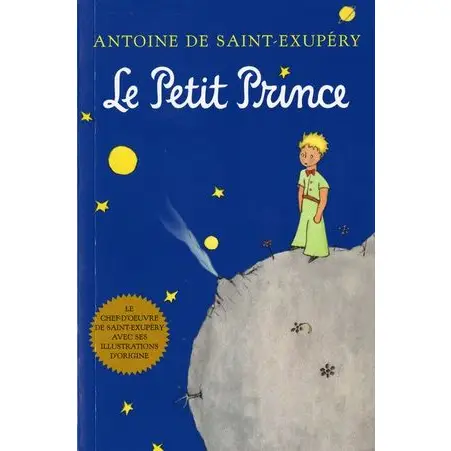
Few books have traveled as quietly and as powerfully through the lives of adults as The Little Prince. First published in 1943, it has become one of the most translated and beloved books in history. Often mistaken for a children’s story, it has instead become a lifelong companion for thinkers, leaders, artists, and high achievers who sense that success alone does not guarantee fulfillment.
At its core, The Little Prince is not about childhood. It is about remembering what adulthood tends to forget.
A Story Born from the Sky and the Desert
The narrative begins with a pilot stranded in the desert after his plane breaks down. There, he meets a mysterious young boy—the Little Prince—who asks him to draw a sheep. This innocent request sets the tone for the entire book: a quiet challenge to adult logic, efficiency, and seriousness.
The Little Prince comes from a tiny asteroid, where he cares for volcanoes and a single rose. Feeling misunderstood, he leaves his planet and travels across the universe, visiting peculiar adults. Each encounter reveals a different distortion of adulthood—power without purpose, work without joy, knowledge without experience. Eventually, on Earth, he discovers the most important truths: love, responsibility, and meaning are created, not owned.
Many elements of The Little Prince come directly from Saint-Exupéry’s life:
- The pilot narrator mirrors the author himself
- The desert setting echoes his real-life plane crash in the Sahara in 1935
- The sense of solitude and reflection reflects long hours flying alone
The desert in the story is not emptiness—it is clarity. Stripped of noise and distraction, it becomes a place where essential truths can finally be heard. For high achievers, this is deeply symbolic: sometimes meaning emerges not from doing more, but from being still enough to listen.
Antoine de Saint-Exupéry: The Pilot Philosopher
The author was no children’s writer by trade. Saint-Exupéry was a pilot, adventurer, and philosopher, familiar with danger, isolation, and responsibility. He wrote The Little Prince while living in exile in the United States during World War II—a time of uncertainty and loss.
He famously said: “All grown-ups were once children… but only few of them remember it.” This reminder is both gentle and urgent: the inner child is often lost in the pursuit of achievement, yet remembering it is essential for balance, meaning, and joy.
Adult Archetypes: Mirrors for High Achievers as Quiet Warnings
The planets the Little Prince visits are populated by adults whose obsessions echo modern achievement culture:
- The King, obsessed with authority → control without connection
- The Businessman, counting stars → accumulation without joy
- The Geographer, recording beauty → knowledge without presence
- The Drunkard, trapped in shame → avoidance of emotional truth
These figures are cautionary mirrors, showing what happens when intellect and ambition eclipse curiosity, emotion, and wonder. They are psychological states many high achievers recognize in themselves during periods of burnout, overwork, or disconnection.
The Little Prince and the Inner Child
The Little Prince himself represents the inner child—curious, emotionally honest, sensitive to beauty, and deeply present. For high achievers, this part of the self is often left behind early in life, as discipline and responsibility take center stage.
Over time, this disconnection shows up as:
- Over-identification with work or status
- Difficulty resting without guilt
- Suppressed emotions in favor of logic
- A loss of playfulness and spontaneity
Reconnecting with the inner child is not regression. It is integration. The prince is not careless or naive—he is deeply responsible. He tends his planet, protects what he loves, and honors emotional truth. The book reframes maturity not as emotional suppression, but as care, presence, and devotion.
The Rose: Love, Care, and Emotional Depth
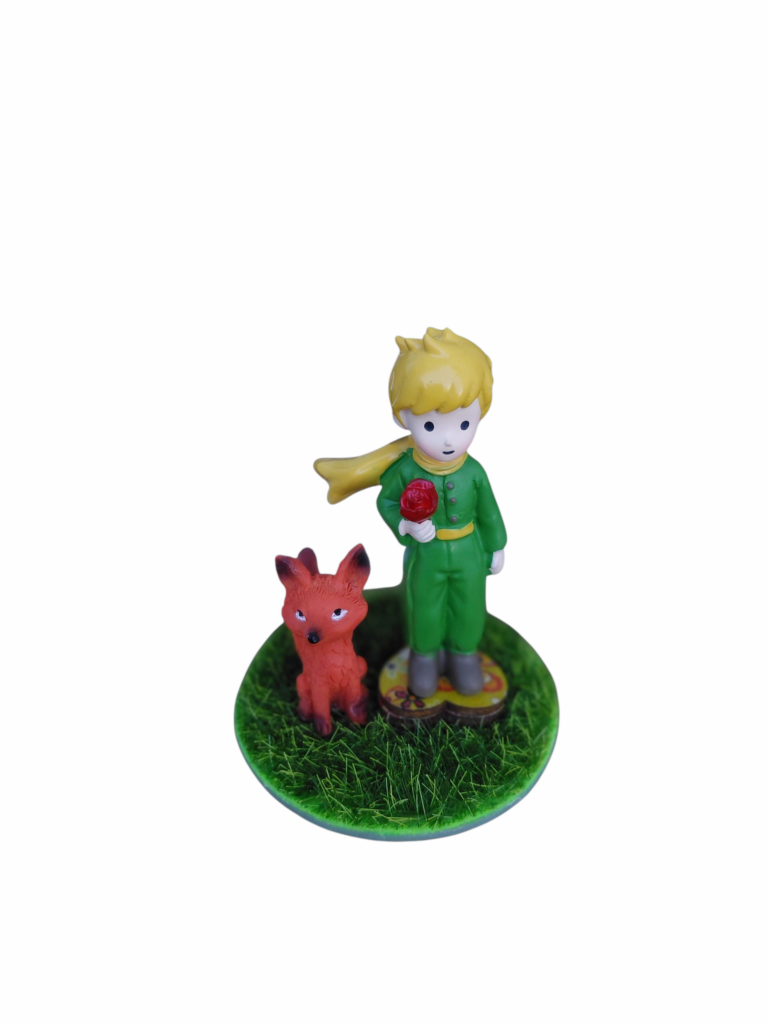
The rose is delicate, proud, and demanding. The Little Prince leaves her, only to realize that her uniqueness comes from the care he has given her. This teaches high achievers that:
- Relationships, work, and creativity are not tasks—they are responsibilities to nurture
- Devotion creates meaning, not achievement alone
- True love and fulfillment require patience and presence
The Fox: Taming, Trust, and Connection
The fox introduces one of the most profound lessons of the book: meaning is created, not automatic. He asks the Little Prince: “Please… tame me.”
To tame is not to control—it is to form a unique bond through patience, consistency, and care. For high achievers, this reframes connection:
- True relationships require presence, not strategy
- Meaning comes from attention, not speed
- Emotional risk is the price of depth
The fox also teaches the value of ritual and slowness: “You must be very patient… sit a little closer to me every day.” These small, intentional acts are essential for wellness, calming the nervous system and restoring perspective.
Before parting, the fox shares the story’s central secret: “One sees clearly only with the heart. What is essential is invisible to the eye.” This wisdom directly challenges lives led by metrics, outputs, and appearances. Calm, meaning, and joy emerge not from achievement alone, but from connection, care, and presence.
Reconnecting With the Inner Child
The Little Prince represents the inner child—not as immaturity, but as emotional clarity, curiosity, wonder, and presence. High achievers often suppress this part of themselves early in life in order to perform and succeed. The Little Prince invites a radical integration:
- Allow yourself moments without goals or productivity
- Reconnect with what brings joy, not recognition
- Embrace emotions fully, without reframing them
- Tend one relationship or creative practice consistently
The inner child is not weakness—it is core intelligence, creativity, and emotional depth.
Wellness as Presence, Not Performance
The Little Prince teaches that true wellness is not added to life—it is remembered:
- Water is precious because of the effort to reach it
- Silence becomes meaningful because it is shared
- A single rose outweighs a thousand identical flowers
Wellness is a state of attention and presence, not optimization.
Vulnerability, Loss, and Strength
The story also embraces impermanence. The fox warns: “You risk tears if you let yourself be tamed.” High achievers often armor themselves against vulnerability. Yet the book reminds us: tears and loss are not failure—they are proof that life matters, and that depth is being cultivated.
Practical Lessons for High Achievers
To live the wisdom of The Little Prince:
- Create space without goals: walks, observation, or daydreaming
- Reconnect with joy: notice what energizes without needing validation
- Nurture one “rose”: relationship, ritual, or creative practice
- Embrace emotional honesty: allow feelings without judgment
- Redefine success: include calm, meaning, and connection, not only achievement
A Different Definition of Success
The Little Prince does not reject ambition. It humanizes it, reminding high achievers that life is not measured by stars owned, but by the care and attention given to the stars in their lives.
In the end:
- The rose teaches love
- The fox teaches meaning
- The Little Prince teaches remembrance
Together, they offer high achievers a radical yet gentle truth: a well-lived life is not about conquering the world, but being tamed by what truly matters.
Traditions and Why Adults Keep Returning to This Book
Across cultures, The Little Prince has become a book people return to at different life stages:
- In early adulthood, it feels poetic
- In midlife, it feels revelatory
- In later years, it feels like truth
In some countries, it is gifted during transitions—graduations, career changes, moments of loss. Many readers note that the book seems to “change” as they change. The book does not teach—it reflects.
Guided Reflection: Lessons From the Fox
High achievers can turn the Fox’s teachings into a daily practice to reconnect with calm, joy, and meaningful relationships.
- Identify Your “Rose”
- Choose one person, project, or creative pursuit to care for deeply.
- Ask: What consistent attention does this need to flourish?
- Practice Intentional Presence
- Dedicate 10–15 minutes daily to observe, nurture, or connect without distractions.
- This is your “taming” ritual.
- Embrace Vulnerability
- Notice moments when emotional risk is necessary for depth.
- Reflect: Where am I holding back because I fear tears or loss?
- Journal Your Invisible Essentials
- List the things that truly matter but cannot be measured.
- Include relationships, feelings, joys, and quiet moments.
- Reflect on Meaning Over Metrics
- End each day by asking: Where did I create value that is not visible, but deeply felt?
Companion Essay: “Fox Lessons for High Achievers”
High achievement often prioritizes outcomes over connection. The Fox teaches that sustainable success comes from taming what you care about:
- Presence > Efficiency: Being fully with someone or something matters more than checking it off a list.
- Patience > Speed: Slow, consistent attention builds depth.
- Emotional Risk > Control: Vulnerability is necessary for meaningful relationships.
- Devotion > Accumulation: True value grows from care, not ownership.
- Invisible Essentials > Metrics: The things that truly matter cannot be measured, only experienced.
For high achievers, these lessons are practical, actionable, and restorative — reminders that calm, connection, and meaning are as important as any external achievement.