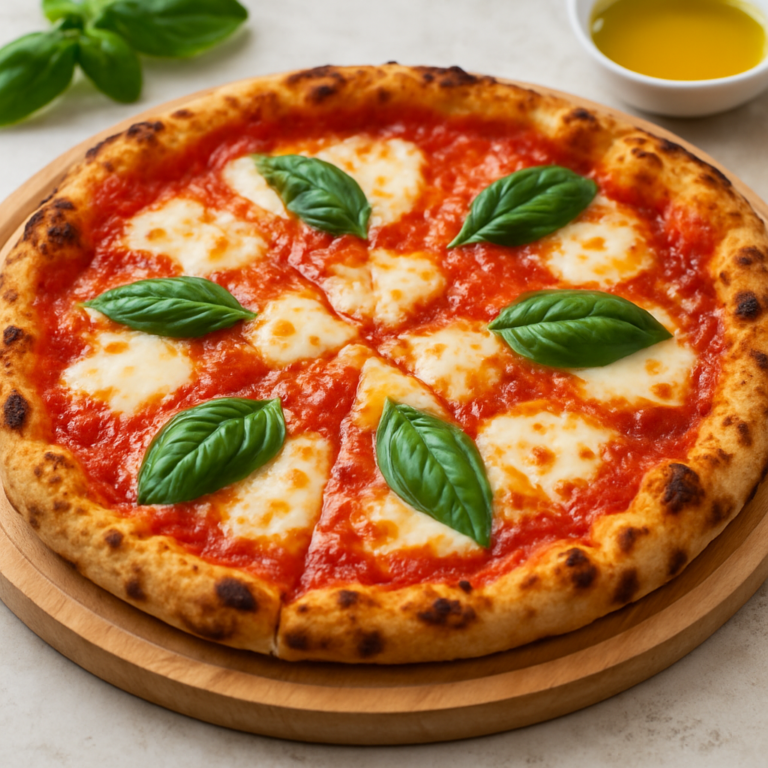
Few foods have captured the imagination of the world like pizza. From a simple street food in Naples to a global culinary phenomenon, pizza is more than dough, cheese, and toppings—it’s history, tradition, and shared joy baked into every slice.
The Birth of Pizza
Pizza’s story stretches back centuries. Ancient civilizations like the Egyptians, Greeks, and Romans enjoyed flatbreads topped with herbs, oils, and cheese—a simple, nourishing meal for workers and travelers.
Modern pizza, however, began in Naples, Italy, in the 18th century. Tomatoes, brought from the Americas, became a key ingredient by the 1700s. Street vendors sold pizzas with tomato, oil, and sometimes cheese—an affordable, portable meal for laborers.
One of the most iconic pizzas, the Margherita, was created in 1889 to honor Queen Margherita of Savoy. Topped with tomato (red), mozzarella (white), and basil (green), it symbolized the Italian flag and cemented its place in pizza history.
Pizza Making
Authentic pizza is both food and craft. Classic Neapolitan pizza uses:
- “00” flour for a soft, chewy crust
- San Marzano tomatoes from volcanic soil
- Fresh mozzarella di bufala
- Wood-fired ovens reaching 800°F (430°C), cooking pizzas in under 90 seconds
The Associazione Verace Pizza Napoletana preserves these traditions, ensuring pizza maintains its heritage.
The Global Development of Pizza
From Naples to the United States: Italian immigrants brought pizza to America in the late 19th century. Pizza became mainstream after World War II, as soldiers returned with a craving for Italian flavors. Local innovations included:
- New York-style: Thin, foldable slices
- Chicago deep-dish: Thick, buttery crust layered with cheese and sauce
- California-style: Creative toppings like arugula, smoked salmon, and goat cheese
Worldwide Popularization: Pizza spread globally, adapting to local tastes. Today, pizza balances comfort and creativity, from classic street slices to gourmet, wood-fired pies.
- Chains like Domino’s and Pizza Hut made it accessible worldwide
- Cultural twists: Japan’s mayo-corn pizza, India’s paneer tikka pizza
- Artisanal movements revived traditional Neapolitan techniques with high-quality ingredients
Why Pizza Is So Special
Pizza’s appeal is universal. Pizza is community, culture, and joy. Each slice carries history, artistry, and connection. Whether you’re enjoying a New York foldable slice or a Chicago deep-dish, pizza reminds us why some foods become global legends: it nourishes the body, delights the senses, and brings people together.
- Comfort food: Soft bread, savory sauce, and melted cheese delight the senses
- Versatility: From classic Margherita to inventive toppings around the world
- Social connection: Pizza encourages sharing and celebration
- Cultural richness: Each bite carries centuries of history
- Emotional association: Linked to comfort, indulgence, and joy
- Sensory pleasure: Crisp crust, gooey cheese, and aromatic toppings
Fun Pizza Facts
- October 11 is National Pizza Day in the U.S.
- The world’s largest pizza measured 131 feet in diameter (Italy, 2012)
- Pepperoni is common in the U.S., but rare in Italy
- Pizza adapts uniquely to every culture, proving its universal appeal
My Pizza Experience
For me, chewy Margherita pizza is one of those delightful moments. Fresh tomato sauce, creamy mozzarella, and a touch of basil atop a perfectly chewy crust create a bite that is balanced and deeply satisfying.
Chewiness is the result of craft—well-kneaded dough, slow fermentation, and careful attention turn humble ingredients into something extraordinary. It’s like the pizza version of a masterclass: every slice is a reminder that patience and care really do pay off.
I usually enjoy mine on a Sunday evening, letting each bite slow me down after a hectic week. There’s a joy in pulling a perfect slice, feeling the cheese stretch, and realizing that bliss can live in something as simple as pizza. Each slice is a gentle reminder that simple ingredients, treated with care, can bring true joy—even in a busy life.
Top 3 Pizzerias in the World
- Una Pizza Napoletana — New York City, USA. Classic Neapolitan pizzas by Anthony Mangieri; slow-fermented dough, minimal high-quality toppings, famous Margherita and Marinara.
- I Masanielli — Caserta, Italy. Led by Francesco Martucci; traditional Neapolitan dough with modern flair, chewy texture, high-quality local ingredients, signature creative pies.
- The Pizza Bar on 38th — Tokyo, Japan. Japanese precision meets Neapolitan style; top ingredient quality, craftsmanship-focused, globally acclaimed dining experience.