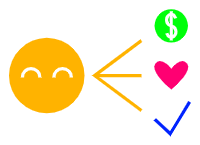
Ambition Meets Generosity
Ambition sparks the climb, but ambition alone never explains who reaches the summit—and remains there. Two people can share the same intelligence, work ethic, and resources. One builds a career of lasting influence, attracting opportunities and collaborators who open unexpected doors. The other enjoys a few early wins but eventually plateaus, wondering why effort no longer converts into impact.
The difference often hides in plain sight: how each person creates value in relationships. Do they approach others to take what they need, to trade value evenly, or to create value that benefits everyone involved? This subtle orientation—often formed unconsciously—can accelerate or limit a career more than talent or timing. For growth-oriented readers who seek success with meaning, understanding this spectrum is essential.
The Three Relationship Styles: Takers vs Matchers vs Givers
Takers: The Short-Game Sprinters
Takers view relationships primarily as transactions. Their internal question is, “What can I gain here?” They are often charming, quick to spot leverage, and skilled at presenting themselves as indispensable. Early on, this approach can look like brilliance: fast promotions, lucrative deals, a constant stream of new contacts.
But the costs accumulate. Colleagues notice patterns of self-interest. Trust erodes quietly. Invitations dry up. Because takers rely on extraction rather than collaboration, they struggle to maintain momentum once reputational gravity sets in. In ecosystems filled with high achievers—where information travels quickly—a reputation for taking becomes a long-term liability.
Matchers: The Fair Traders
Matchers anchor their relationships in reciprocity: “I’ll help you if you help me.” This mindset reflects common social norms and feels comfortably balanced. A matcher keeps score, ensuring that favors given are eventually returned.
This even-trade approach can create steady careers and cordial networks. People generally like matchers because they are predictable and fair. Yet breakthroughs often require generosity without a guaranteed return—an introduction offered purely to create value, a mentoring hour with no agenda. Matchers may hesitate at those moments, and as a result they often plateau in the broad middle of the performance curve.
Givers: The Long-Game Builders
Givers lead with contribution. Their instinct is to ask, “How can I help?” They mentor, share knowledge, connect people, and elevate collective goals, even when immediate benefits are unclear. Their networks deepen quickly, and their reputations shine with trust and goodwill.
The risk, of course, is burnout or exploitation. Givers who say “yes” indiscriminately can spread themselves thin, allowing chronic takers to drain their time and energy. Yet research shows that when givers pair generosity with discernment—offering help where it matters most and setting healthy boundaries—they create careers that are both impactful and resilient.
Are Most High Achievers Givers or Takers?
Organizational psychologist Adam Grant, in his landmark book Give and Take, examined thousands of professionals across industries as diverse as engineering, medicine, and finance. His findings overturn the cliché that “nice guys finish last.”
Grant discovered that the least successful and the most successful people were both givers. At the bottom sat self-sacrificing givers who offered help without strategy, eventually burning out or being exploited. At the very top were strategic givers—individuals who gave thoughtfully and selectively, earning loyalty and access to opportunities that compound over years.
Takers often surged early, but their reputations eventually caught up. Colleagues stopped sharing information, potential partners declined collaborations, and the upward trajectory slowed. Most people, Grant found, occupy the middle as matchers—reliable but rarely exceptional.
The lesson is striking—lasting, world-class success belongs to strategic givers—those who combine ambition with intentional contribution and clear boundaries. This isn’t mere inspiration; it’s a practical blueprint for sustainable achievement.
High achievers succeed because of strategic giving. Adam Grant’s research shows that when giving is deliberate, focused, and bounded, it becomes a powerful engine for growth and influence.
In a competitive world, strategic giving is neither a weakness nor a luxury. It is the hidden force behind lasting influence, meaningful wealth, and deep fulfillment—the very core of succeeding with purpose.
Why Strategic Giving Is Critical
Strategic giving is far more than a feel-good principle—it is a core driver of lasting success, influence, and personal fulfillment. Unlike indiscriminate generosity, strategic giving is intentional, focused, and outcome-oriented. It transforms relationships and actions into a powerful engine that amplifies both personal growth and collective impact.
- Builds Trust and Reputation
When you consistently give in meaningful ways, people notice. Your reputation as someone who contributes without hidden agendas becomes a social asset. Trust acts as a multiplier: it accelerates collaboration, creates loyalty, and ensures that opportunities—sometimes unexpected ones—flow naturally toward you. - Multiplies Influence
Strategic giving magnifies your impact. By mentoring, sharing frameworks, or connecting the right people, each act of generosity produces a ripple effect. One high-impact connection can catalyze multiple successes, creating a network of growth that extends far beyond your immediate reach. - Accelerates Learning
Teaching, guiding, and mentoring others is one of the fastest ways to deepen your own knowledge. When you help someone solve a problem, explain a concept, or navigate challenges, you reinforce your understanding and gain fresh perspectives. Strategic giving turns generosity into a continuous learning loop. - Ensures Sustainable Success
Takers may surge ahead in the short term, but their wins are often fragile. Strategic givers, in contrast, create durable careers because their achievements are built on solid relationships and trust. Colleagues, mentors, and collaborators actively support strategic givers, creating a self-reinforcing cycle of opportunities and advancement. - Balances Growth and Contribution
Strategic giving is generosity with boundaries. It allows high achievers to invest in others without draining their own energy or focus. By giving intentionally, you maximize impact while safeguarding your own growth, health, and wellbeing. - Enhances Fulfillment and Legacy
Finally, strategic giving aligns success with meaning. Achievements measured purely in money, titles, or deals can feel hollow. When you give strategically, your success is intertwined with the growth and achievements of others. This creates a sense of legacy, fulfillment, and purpose—key elements that define truly high-quality, meaningful success.
The Risks of Non-Strategic Giving
While generosity is often celebrated as a virtue, giving without a clear strategy can become a hidden liability—especially for ambitious, growth-oriented individuals. When your efforts lack intention and focus, generosity can drain your energy, dilute your influence, and slow the very progress you’re working to achieve.
For high achievers, the key isn’t simply to give more—it’s to give smarter. Strategic giving transforms generosity from a well-meaning impulse into a powerful tool for influence, connection, and impact. By giving intentionally, setting clear boundaries, and aligning your efforts with your long-term goals, you ensure that your generosity fuels growth rather than drains it.
- Burnout and Energy Drain
Helping everyone in every situation can quickly become overwhelming. Non-strategic givers often spread themselves too thin, leaving little time for their own goals, high-impact work, or personal growth. - Being Taken Advantage Of
Takers naturally gravitate toward indiscriminate givers. Without boundaries or discernment, your generosity can be exploited, leaving you overextended while others benefit disproportionately. - Limited Influence
Random or unfocused giving rarely creates lasting impact. Helping many people superficially can dilute the effectiveness of your contributions. - No Long-Term Career Advantage
Non-strategic givers may work tirelessly, yet their reputation rarely scales. Strategic givers earn trust, loyalty, and collaboration; indiscriminate generosity rarely yields durable career benefits. - Missed Fulfillment and Meaning
Generosity without purpose often feels like obligation rather than choice. Non-strategic giving can leave you drained, disconnected, and unsatisfied, even as you help others.
How to Give Smarter
Giving smarter—often called strategic giving—means intentionally focusing your time, energy, and resources where they create the greatest ripple effect. For ambitious, growth-oriented people, it isn’t about giving more; it’s about giving better.
When generosity is guided by strategy, it becomes a true force multiplier. You help others while strengthening your own influence, expanding meaningful networks, and fueling personal growth. For high achievers, this is the secret to creating impact that endures—turning every act of generosity into a lasting investment in people, progress, and purpose.
- Prioritize High-Impact Opportunities. Not every request deserves your time. Focus on situations where your contribution creates lasting value rather than short-term fixes. Ask yourself: Where can my expertise or network make the biggest difference? Which connections could spark ripple effects beyond one person? Giving where it truly matters amplifies results.
- Set Clear Boundaries. Boundaries protect your energy so that every act of generosity remains powerful. Allocate specific time blocks for mentoring, coaching, or advising. Decide in advance which types of requests align with your strengths and goals. Politely decline or redirect low-impact requests—saying “no” strategically ensures you don’t burn out.
- Leverage Your Unique Strengths. Your impact is greatest when you give in areas where you excel. Teach what you know deeply rather than general advice. Connect people only when introductions are meaningful. Share frameworks or tools that save others significant effort. High-leverage contributions matter far more than volume.
- Enable Others to Multiply Your Effort. Think in terms of scalable giving. Mentor someone who will, in turn, mentor others. Share templates, guides, or resources that can benefit many people. Introduce peers to each other instead of solving every problem yourself. This creates a chain reaction of value that extends far beyond your direct contribution.
- Focus on Long-Term Relationships. Smart giving builds trust and loyalty over time. Invest in people and projects that align with integrity and growth potential. Follow up to ensure your help is effective and appreciated. Relationships built on consistent, meaningful generosity compound influence and opportunity.
- Measure Outcomes, Not Effort. The goal of giving smarter is impact, not busywork. Observe the results of your contributions: Did your advice, connection, or resource create meaningful change? Are your contributions multiplying across networks? Are trust, goodwill, and collaboration growing? Tracking outcomes lets you refine your giving for maximum effect.
Strategic Giving: The High-Achiever’s Edge
Strategic giving turns raw goodwill into a deliberate engine for growth. It is generosity guided by clarity, ensuring that help offered produces meaningful, scalable outcomes rather than endless obligation.
- High-Leverage Impact. Strategic givers direct their energy where their skills, insights, or connections create exponential value. They might mentor a rising leader whose success influences an entire organization, share a framework that saves a team hundreds of hours, or broker a partnership that reshapes a market.
- Boundaries with Purpose. Far from saying “yes” to everything, strategic givers guard their time so that every “yes” remains powerful. Declining a low-impact request is not selfish; it is the discipline that sustains meaningful generosity.
- Compounding Trust. Consistency builds a reputation that opens doors before you even arrive. Doors open before you knock because people know you as someone who creates value without hidden strings.
- Ecosystems of Reciprocity. Over time, strategic givers nurture networks where generosity flows in all directions. They set cultural norms that encourage others to give, multiplying value far beyond any single contribution.
Why Growth-Oriented Individuals Thrive as Strategic Givers
For ambitious, lifelong learners—strategic generosity is more than an ethical choice. It is a competitive advantage.
- Accelerated Learning. Teaching and mentoring sharpen your own expertise and expose you to fresh perspectives.
- Robust Networks. People naturally champion those who have championed them, creating a self-reinforcing cycle of introductions and opportunities.
- Enduring Influence. Authority built on control fades with circumstance; influence built on trust endures through career shifts, market changes, and even industries.
Takers may enjoy quick victories, but strategic givers win the long game of reputation, collaboration, and legacy.
Practicing Strategic Giving
Turning insight into daily action requires intention:
- Audit Your Strengths. Identify where your unique skills or network create the greatest leverage. Ask yourself where one generous act could create ripple effects far beyond a single interaction.
- Schedule Generosity. Block regular time each week to mentor, share resources, or connect peers. By planning your giving, you avoid burnout and keep your efforts aligned with your goals.
- Empower Multipliers. Provide tools, templates, or introductions that enable others to help each other. This kind of scalable giving magnifies your impact without demanding constant attention.
- Measure Ripples, Not Immediate Returns. Strategic giving is a long game. The most valuable outcomes—unexpected collaborations, innovations, or partnerships—may surface months or years later.