In the heart of French kitchens, a humble textile has quietly stood the test of time: the French tea towel, or torchon. Far from being just a tool for drying dishes, these linen and cotton wonders carry centuries of history, artistry, and domestic ritual within their threads.
In the soft morning light, a French tea towel drapes elegantly over a countertop. Its cotton fibers, finely woven and carefully patterned, whisper stories of tradition, care, and craftsmanship. At first glance, it’s a simple household item—but look closer, and it becomes a symbol of a slower, more intentional life.
A History Woven in Linen
The story of French tea towels begins in the 18th century, when linen weaving flourished across regions like Alsace, Brittany, and Normandy. Flax cultivated in these areas was spun into durable, absorbent cloth, resilient enough for daily use and repeated washing. Originally handwoven on wooden looms and dyed with natural pigments, tea towels were crafted to combine practicality with enduring beauty.
Unlike decorative linens reserved for special occasions, tea towels were functional textiles—but beauty was never absent. Their patterns often reflected regional identity and local folklore:
- Alsace favored bold red-and-white stripes, instantly recognizable and practical for busy kitchens.
- Brittany echoed the blues of the Atlantic, often in stripes and checks that spoke to maritime life.
- Provence embraced florals, herbs, and market scenes inspired by the Mediterranean, bringing a touch of the outdoors inside.
Many households personalized their tea towels with embroidered initials or symbols, creating a quiet continuity across generations. These towels were used daily, softened by time, and absorbed the rhythms of the households that cherished them. Today, antique French tea towels are prized not for perfection but for the stories in their wear—the gentle fading, uneven stitching, and soft texture earned through decades of use.
Practical Elegance for Everyday Life
French tea towels are made from high-quality linen or cotton, offering both durability and sophistication. Their absorbent fabric makes them perfect for drying dishes, covering rising dough, or serving as a protective layer for freshly baked bread. Unlike disposable alternatives, these towels age gracefully, becoming softer and more supple over time, rewarding the user with an increasingly pleasant tactile experience.
In modern kitchens, they bridge utility and mindfulness. A simple task like drying a plate can become a small act of ritual—a reminder that everyday chores can carry moments of quiet beauty.
Tradition and Cultural Significance
In French homes, tea towels are more than kitchen tools—they are woven into daily ritual. They cover rising bread, cradle warm baguettes, line baskets of croissants, protect delicate cheeses, serve as an impromptu picnic cloth and dry dishes by hand. Their use is deliberate, unhurried, a quiet celebration of care.
This reflects a broader French domestic philosophy: attentiveness and repetition matter more than speed. Some families even embroidered initials or designs to mark special occasions, turning the humble cloth into a cherished keepsake.
The torchon also shaped French culinary tradition. Bakers used it to cover dough; cooks to handle hot pots. In some regions, colors or patterns indicated specific functions, creating an unspoken kitchen language. Owning a high-quality tea towel signaled care, pride, and attention to detail.
Every towel tells a story. In Alsace, initials helped return towels left at communal bakeries. In Provence, selecting a pattern was an act of personal expression, reflecting the season, harvest, or mood.
Collectors today prize vintage towels not for perfection but for character—a softened edge, faint stain, or worn pattern reveals a life fully lived. For those used to valuing outcomes over process, this perspective is quietly radical: use itself adds value.
How to Use a French Tea Towel: Turning the Ordinary into a Retreat
French tea towels are meant to be used fully and often. Their beauty reveals itself through participation, not preservation.
- Cooking and baking: Cover rising dough, wrap warm bread, line pastry baskets
- Dish drying: Slow, mindful hand-drying using thick linen towels
- Tea and coffee rituals: Wrap teapots or protect hands while adding ceremony
- At the table: Use as napkins, bread liners, or casual runners
- Functional decor: Display on hooks, handles, or open shelves
- End-of-day ritual: Fold carefully to signal closure and rest
- Gift wrapping: Wrap wine, books, or bread sustainably and thoughtfully
Each use transforms routine into rhythm.
The Art of Enjoying French Tea Towels
Enjoying French tea towels goes beyond function. It is about cultivating awareness and presence through small, repeated acts.
- Let Them Age with You
French tea towels are not meant to stay crisp forever. With each wash, they soften, becoming more absorbent and more personal. Enjoy how they change—how beauty deepens through use rather than diminishes.
- Engage the Senses
Notice the feel of linen in your hands, the sound of fabric folding, the way patterns soften in natural light. These sensory details ground the nervous system and gently pull attention away from mental overload.
- Create Association Rituals
Designate one towel for slow moments only—morning coffee, weekend baking, evening tea. Over time, your mind associates that towel with calm, making it a cue for rest.
- Display What You Love
Hang your favorite towel where you’ll see it daily. Visual beauty, even in small doses, has a powerful emotional effect—especially in high-functioning spaces like kitchens and offices.
- Use Them Without Saving Them
French tea towels were designed to be lived with, not stored away. Enjoyment comes from participation. The most beautiful towel is the one in use.
- Treat Use as Care, Not Wear
Each fold, wipe, and wrap is an act of stewardship. When you treat everyday objects well, they return that care by making daily life feel more considered.
Caring for Your French Tea Towels
To maintain their beauty, wash French tea towels in cool or warm water with mild detergent. Avoid bleach, which can weaken fibers, and air-dry whenever possible to preserve color and texture. Over time, a well-loved towel becomes softer, more absorbent, and imbued with memories—a textile that tells a story through touch.
Choosing Tea Towels That Support Intentional Living
When selecting French tea towels, look for:
- Natural materials: Linen or high-quality cotton
- Designs that resonate: Stripes, botanicals, heritage motifs
- Story and origin: Artisanal, vintage, or regionally inspired pieces
Choose towels that invite use, not admiration from afar.
A Quiet Philosophy of Everyday Retreat
French tea towels embody a timeless truth: a meaningful life is built in small moments, repeated with care. They are small, tactile reminders of tradition, care, and craftsmanship—a woven retreat in the midst of everyday life.
Whether drying your morning teacup or folding a fresh loaf of bread, the torchon connects you to centuries of French heritage while elevating the ordinary into something quietly extraordinary. In softness earned through time, there is wisdom. And in everyday use, there is joy.
A well-lived life is not defined only by what we accomplish, but by how gently we move through the moments in between. For anyone seeking calm, artistry, and subtle sophistication in the home, the French tea towel is an enduring companion, weaving both beauty and purpose into each day.
Why French Tea Towels Resonate with High Achievers
High achievers excel at movement, progress, and achievement. What they often lack is sensory restoration.
French tea towels offer:
- Texture instead of screens
- Ritual instead of rush
- Beauty without performance
- Retreat without escape
They do not demand time. They reward presence. In a life of strategy and scale, they return us to the human pace.
My Personal Experience with French Tea Towels
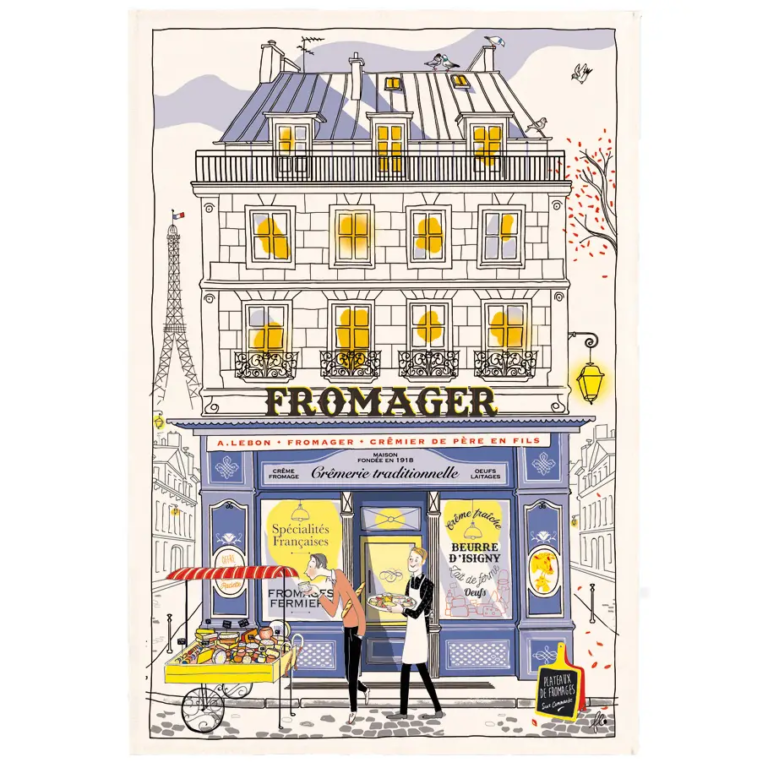
I have always been drawn to French artistic drawings, especially those that capture the beauty of everyday French living. There is something deeply comforting about illustrations of old façades—rows of gentle buildings with tall windows, soft pastel walls, and balconies lined with flowers. Each drawing feels like a small, peaceful story, inviting me to slow down and linger just a little longer.
What I love most about these façade drawings is how quietly alive they feel. A café chair resting near a doorway, a bicycle leaning against a stone wall, laundry hanging from an open window—nothing feels staged or hurried. These simple details reflect a way of living that feels calm, grounded, and deeply human. As I look at them, I often imagine the lives unfolding behind the windows, moving at an unforced, natural rhythm.
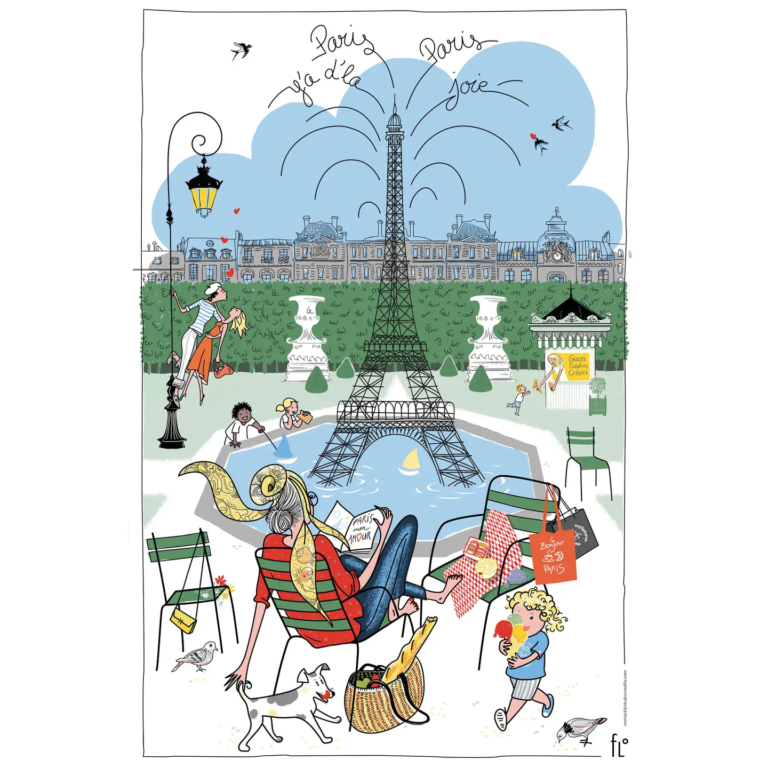
Seeing these drawings printed on a tea towel feels like the most thoughtful idea. A simple kitchen essential becomes something quietly extraordinary. While it lovingly serves its purpose—wiping our favorite kitchenware—it also offers something more. Hung in the kitchen, a French tea towel becomes a small piece of art, gently soothing the heart and calming the soul amid daily routines.
I especially enjoy watching these tea towels soften with time. With each use and wash, the fabric becomes more familiar in my hands, more comforting. The towel feels truly lived with, much like the buildings in the drawings—beautiful not because they are perfect, but because they carry warmth, history, and traces of everyday life.
I also love wrapping French tea towels as gifts, much like one would wrap an artisanal pastry or a delicate pâtisserie. There is something heartfelt in offering a piece that is both useful and beautiful. Seeing someone unfold it, smile, and imagine it in their own kitchen brings me genuine joy. It is a small gesture, yet it carries care, thoughtfulness, and a quiet kind of love.
French tea towels remind me that art does not need to be distant or untouchable. It can live with us, soften with time, and gently brighten our everyday moments. In their own humble way, they invite us to slow down, appreciate simple beauty, and bring a sense of calm, lovely French living into our daily lives.