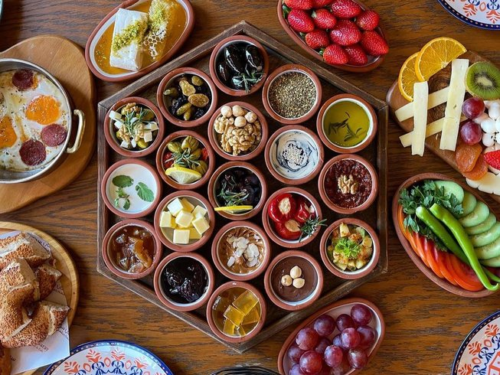
Breakfast can be extraordinary. One spoonful of artisanal jam atop golden brioche, and suddenly your morning becomes a ritual. The fruit is fragrant, sun-warmed, and unapologetically pure. Every bite is a conversation between the orchard, the cook, and you—a quiet luxury that turns the first meal of the day into an experience worth savoring.
The Sweet Legacy
The story of jam begins with a simple, practical need: preservation. Before refrigeration, people relied on sugar, honey, or salt to extend the life of fruit. Ancient civilizations—from the Greeks to the Romans—experimented with fruit preserves, often blending fruits with honey to create dense, sweet pastes. These early creations were valued not only as food but also as medicine, prized for energy and restorative qualities.
By the Middle Ages, European monasteries became hubs of culinary innovation. Monks carefully simmered fruits with sugar or honey to create preserves that could endure harsh winters. Early jams were luxurious items, often reserved for the wealthy, as sugar remained rare and costly.
By the 16th and 17th centuries, jam-making had evolved into a refined craft, particularly in France and Southern Europe. Preserves were no longer purely practical—they became expressions of sophistication, often gifted, guarded, and prepared with ceremony. Notably:
- Jams were sold in apothecaries before bakeries.
- Fruit preserves were believed to support digestion and balance the body.
- Aristocratic households meticulously documented recipes tied to estate orchards and seasons.
The Golden Age of Jam in Europe
The 17th and 18th centuries marked a turning point. Sugar became more accessible through trade, and fruit preserves transitioned from rare luxury to household staple. In France and England, cooks perfected recipes highlighting local fruits—strawberries, apricots, cherries—turning jam-making into an art. The French even coined the term confiture, emphasizing careful, slow cooking to concentrate flavors.
This era established artisanal methods that endure today: high-quality, often local fruits, minimal additives, and slow cooking that intensifies natural flavors. Each jar reflects its season, region, and the hands that crafted it.
A Tradition That Crosses Cultures
While Europe is celebrated for its jam traditions, nearly every culture has its own approach. In Japan, anko—sweet red bean paste—flavors confections, while in the Middle East, murabba preserves fruits with aromatic spices. Across these traditions lies a shared principle: transforming fleeting fruits into enduring delights.
Artisanal Jam Today
In the modern era, artisanal jam is more than preservation—it is a celebration of craftsmanship. Makers focus on small batches, seasonal fruits, and inventive flavor combinations, from lavender-infused strawberry to spiced pear preserves. Each jar invites us to savor the fruit itself, honoring the seasons, the terroir, and centuries of tradition.
True artisanal jam is defined less by what is added and more by what is deliberately avoided. No artificial pectin. No flavor engineering. No attempt to make one harvest taste like the next.
Hallmarks of Authentic Artisanal Jam:
- Seasonal fruit harvested at peak ripeness
- Small-batch production, often measured in dozens of jars rather than thousands
- Low sugar ratios, allowing natural acidity and aroma to shine
- Slow cooking, often in copper pots for even, gentle heat
- Minimal ingredients—typically just fruit, sugar, and time
A well-made jam allows you to recognize the fruit immediately—its brightness, its softness, even its imperfections. You are not tasting sugar with fruit notes. You are tasting fruit, gently held in time.
Fun Facts That Elevate the Experience
- Copper pots matter: Copper conducts heat evenly, preventing caramelization and preserving the fruit’s original hue.
- Jam was once medicine: In the 17th century, fruit preserves were sold in apothecaries, believed to balance the humors.
- Less sugar = more skill: Sugar acts as both preservative and crutch. Using less requires precision and experience.
- Texture is intentional: If a piece of fruit resists your spoon slightly, that is mastery—not imperfection.
- Artisan batches vary: No two harvests are identical. Subtle variation is a signature, not a flaw. Rainfall, sun, and soil subtly reshape each batch—just like wine.
How to Enjoy Artisanal Jam
Artisanal jam is not meant to be rushed, layered thickly, or eaten mindlessly. It rewards presence.
- On Bread That Has Character
Choose sourdough, brioche, or rustic country bread. Apply sparingly. Let the fruit speak first.
- Paired With Cultured Dairy
Enjoy with:
- European-style butter (preferably salted)
- Fresh ricotta, fromage blanc, or mascarpone
Fat reveals depth. Jam provides brightness.
- As a Subtle Dessert Accent
A spoonful alongside:
- Almond cake
- Plain yogurt or panna cotta
- Shortbread or financier
The jam should elevate—not dominate.
- With Cheese and Wine
Pair with:
- Soft goat cheese or aged Brie
- Comté or Manchego
- Champagne, Sauternes, or dry rosé
The interplay of sweet, salt, and acidity creates quiet complexity.
- As a Morning Ritual
Not eaten standing. Not eaten scrolling. A small plate. A warm drink. A moment reclaimed.
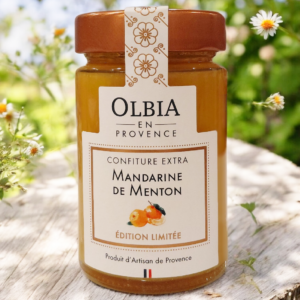
🍑 Olbia Jam: A Spoonful of Provençal Serenity
Imagine a jar that holds the very essence of a Provençal morning: sun-warmed apricots, fragrant Corsican clementines, and berries plucked at their peak, all preserved with gentle care. Olbia Jam transforms these hand-picked fruits into small-batch spreads that honor their natural sweetness, aroma, and texture. With minimal added sugar and no shortcuts, each spoonful is a quiet indulgence—soft, fragrant, and exquisitely balanced. It is a moment of calm luxury, a serene taste of France’s orchards that turns a simple breakfast or afternoon tea into an experience worth savoring.
My Personal Experience with Artisanal Jam
Being health-conscious, I’ve always loved starting my day with a simple and nourishing breakfast. Artisanal jam has quietly become a comforting companion. I like to keep my mornings wholesome, usually with plain steel-cut or sprouted oatmeal or grass-fed yogurt—a gentle, healthy base that I can build upon.
Adding a handful of nuts and a touch of natural sweetness feels like a small, mindful ritual. For sweetness, I often choose artisanal jam, honey, or maple syrup. I especially enjoy artisanal jams because they offer subtle flavors and gentle combinations that make each morning feel a little more special.
There’s something quietly magical about artisanal jam. Each spoonful carries the true flavor of carefully selected, ripe fruits:
🍊 tangy mandarin and bright orange awaken the senses with a gentle zest;
🍓 soft strawberry tastes like a light summer moment;
🫐 blueberry offers a subtle, comforting richness;
🍑 peach provides a delicate, fragrant warmth;
🌿 fig brings a mild, honeyed sweetness with a touch of earthiness;
🍒 cherry delights with a soft, slightly tart flavor that feels playful and comforting.
The natural sweetness is never overwhelming—just enough to enhance your breakfast while letting the fruit shine through. Each spoonful feels like a small, flavorful pause, inviting you to slow down and savor a quiet moment.
I enjoy having a few artisanal jams to choose from, so every morning can feel gently different, a little more joyful. It’s a simple pleasure that quietly transforms an everyday breakfast into something meaningful.
Once you’ve experienced a true artisanal jam, you may notice the gentle depth and natural beauty in every jar—each spoonful a small moment of calm to begin your day.