Every November, as the air turns crisp and leaves blaze in red, orange, and gold, families across the United States gather around tables filled with food, laughter, and warmth. Thanksgiving is a cherished tradition celebrating gratitude, connection, and the simple joys of life. It reminds us to pause, reflect, and appreciate the abundance around us—from shared moments with loved ones to everyday comforts.
From the 1621 harvest shared by the Pilgrims and Wampanoag people to modern celebrations, Thanksgiving has evolved while keeping its essence: gratitude. Linked to autumn, harvest, and community, it unites people across generations and borders through reflection, generosity, and the joy of sharing a meal.
The Origins of Thanksgiving
Thanksgiving traces its roots to the early 17th century, when a group of English settlers known as the Pilgrims sailed aboard the Mayflower in search of religious freedom. After a harsh first winter in Plymouth, Massachusetts, the Pilgrims survived with the guidance of the local Wampanoag people, who taught them vital skills such as planting corn and fishing.
In the autumn of 1621, the Pilgrims held a three-day feast to celebrate their first successful harvest. Joined by around 90 Wampanoag people, this event is widely regarded as the “First Thanksgiving”—a moment of survival, community, and gratitude that has echoed through centuries.
The Meaning of Thanksgiving
While the feast is iconic, the true meaning of Thanksgiving lies in gratitude, reflection, and connection:
- Gratitude: A day to give thanks for family, friends, health, and abundance.
- Reflection: Honoring history, personal growth, and life’s challenges.
- Community: Strengthening bonds with loved ones and helping those in need.
- Celebration of Abundance: Recognizing the fruits of labor and sharing blessings with others.
Thanksgiving is a moment to pause, appreciate life’s gifts, and foster meaningful connections.
Thanksgiving and Autumn
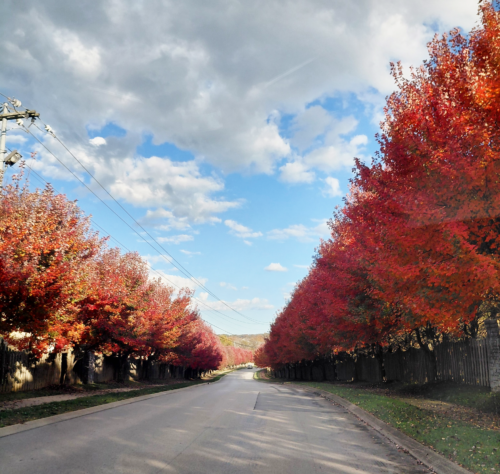
Thanksgiving is deeply connected to fall, the season of harvest and change:
- Harvest Season: The holiday originated as a harvest festival. Crops like corn, pumpkins, apples, and squash were gathered in autumn, and the foods we associate with Thanksgiving reflect this seasonal bounty.
- Seasonal Symbolism: Autumn represents abundance, change, and preparation for winter, mirroring Thanksgiving’s themes of gratitude and reflection.
- Timing: U.S. Thanksgiving falls in late November, while Canada’s Thanksgiving is in October—both aligning with local harvest periods.
- Cultural Connection: Fall activities like pumpkin picking, hayrides, and enjoying warm drinks have become part of Thanksgiving traditions, enhancing the cozy, reflective atmosphere.
The Evolution of Thanksgiving
Thanksgiving has evolved significantly from its 17th-century origins to the holiday we know today:
- The First Thanksgiving (1621): A three-day feast celebrating survival and a successful harvest with the Wampanoag people.
- Colonial Celebrations: Sporadic, local observances with seasonal foods like corn, squash, fish, and venison. No standardized date.
- Early 19th Century: Writers and editors, like Sarah Josepha Hale, promoted Thanksgiving as a national family tradition.
- Abraham Lincoln Proclaims a National Holiday (1863): Declared the last Thursday of November a national holiday to unite a divided nation.
- 20th Century: Thanksgiving became associated with turkey, pumpkin pie, parades (like Macy’s), football, and charitable activities.
- Contemporary Celebrations: Includes “Friendsgiving,” social media sharing, Black Friday shopping, and international recognition through American cultural influence.
Thanksgiving remains rooted in gratitude while embracing modern cultural, social, and economic dimensions.
Sarah Josepha Hale and the National Holiday
While Thanksgiving was celebrated sporadically in different states, it was writer and editor Sarah Josepha Hale who championed it as a national holiday. For decades, Hale wrote letters to presidents and advocated through her influential publications, emphasizing the importance of a day dedicated to gratitude, family, and unity. Her efforts culminated in 1863 when President Abraham Lincoln declared Thanksgiving a national holiday, giving the tradition the recognition Hale had long envisioned.
Fun Fact: Sarah Josepha Hale was also the author of the famous nursery rhyme “Mary Had a Little Lamb”, showcasing her lasting impact on American culture. Today, families honor not only the Pilgrims’ harvest but also Hale’s vision of Thanksgiving as a unifying celebration of gratitude.
How People Celebrate Thanksgiving
Thanksgiving traditions blend historical practices with modern customs:
- Sharing a Feast: The centerpiece is a meal with roasted turkey, stuffing, mashed potatoes, cranberry sauce, pumpkin pie, and regional specialties.
- Spending Time with Loved Ones: Families travel to reunite and celebrate together.
- Parades and Football: Iconic events like the Macy’s Thanksgiving Day Parade and NFL games create excitement.
- Giving Back: Volunteering, food drives, and helping those in need are common practices.
- Expressing Gratitude: Families often share what they are thankful for before or during the meal.
- Kickoff to Holidays: The day after, Black Friday, marks the beginning of the holiday shopping season.
- Fun and Festivities: Games, storytelling, walks, and autumn decorations add personal touches.
- Black Friday Shopping: The day after Thanksgiving marks the start of the holiday shopping season. Originally named for the heavy crowds and traffic in stores, Black Friday also symbolizes businesses moving “into the black,” tying the abundance of Thanksgiving to commerce and gift-giving.
Fun Facts About Thanksgiving
- Turkey: Although the first Thanksgiving likely included venison, fish, and corn, turkey became the holiday’s iconic centerpiece. Its large size made it perfect for family feasts, and writers like Sarah Josepha Hale helped popularize it in 19th-century magazines and cookbooks.
- Pumpkin Pie: Pumpkin was a staple in early American diets, but pumpkin pie as we know it became popular in the 17th and 18th centuries when settlers adapted English recipes. Today, it’s a sweet symbol of autumn harvest.
- Cranberry Sauce: Native to North America, cranberries were used by the Wampanoag people. Sweetened cranberry sauce became a traditional complement to turkey in the 19th century.
- Stuffing/Dressing: Early versions varied by region and included bread, herbs, and local ingredients. It symbolizes sharing the harvest’s bounty with family and friends.
- Other Meats: In some early Thanksgiving meals, goose, duck, or even venison were served instead of turkey, reflecting local availability and practicality.
Why Thanksgiving Matters Today
Thanksgiving reminds us of the importance of gratitude, resilience, and togetherness. It encourages us to:
- Pause in a busy world
- Connect with loved ones
- Appreciate abundance and generosity
- Reflect on personal and collective journeys
Whether gathered around a family table, volunteering in the community, or simply reflecting on blessings, Thanksgiving inspires joy, kindness, and connection.